
Kawthoolei · Myanmar
Kawthoolei
A forest landscape shaped by people, culture and wildlife
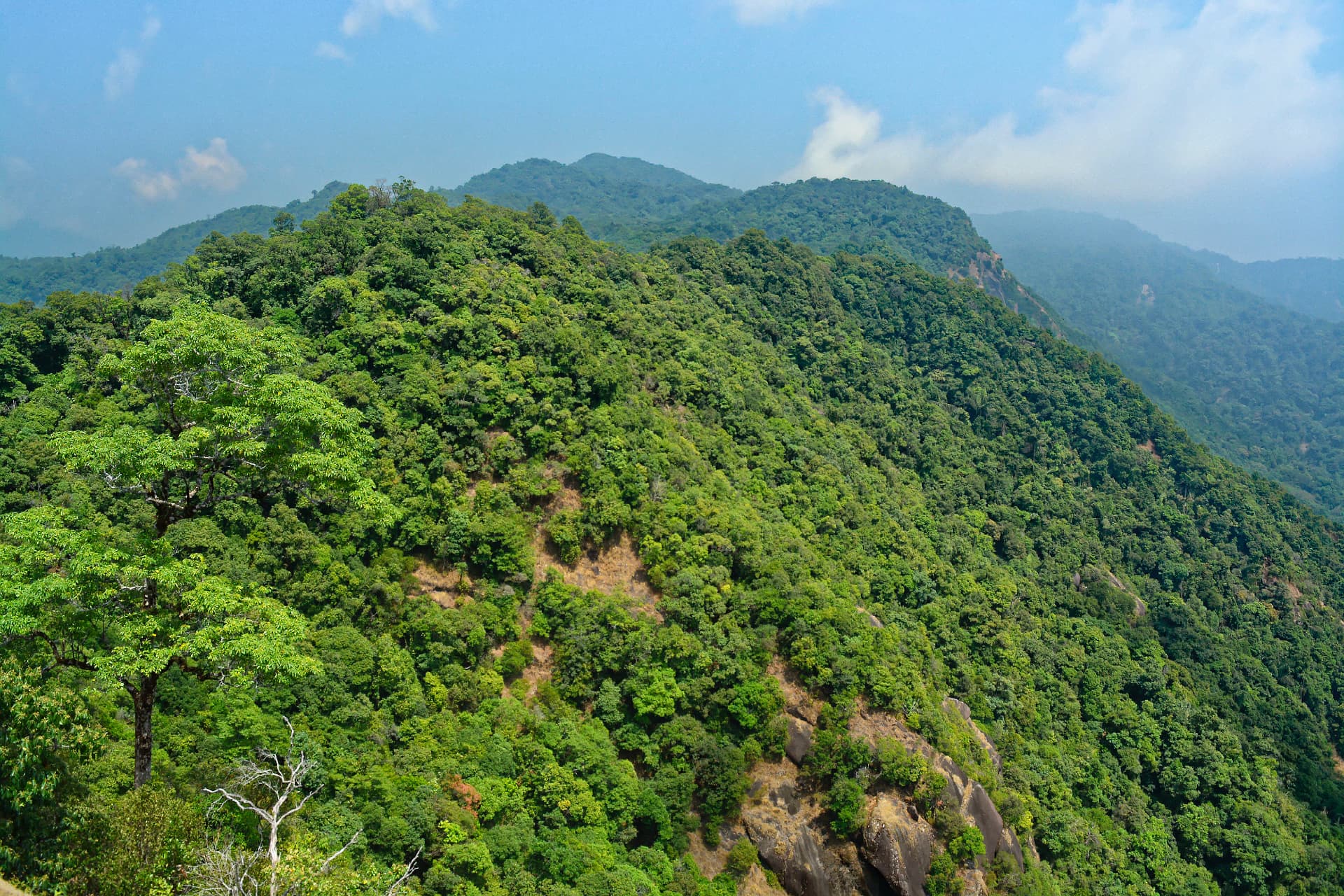
Across the mountains and river valleys of Kawthoolei, Indigenous Karen communities are protecting some of mainland Southeast Asia’s largest remaining forests — a refuge for Indochinese tigers, leopards and an extraordinary diversity of wildlife, and a landscape where culture, conservation and ways of life remain deeply connected.
Why this landscape matters
One of mainland Southeast Asia’s great remaining forest landscapes
Kawthoolei encompasses vast areas of forest within the globally significant Dawna–Tenasserim landscape. Its mountains, rivers and forests provide refuge for some of mainland Southeast Asia’s most threatened wildlife, including Indochinese tigers and leopards, clouded leopards, Asian elephants, gaur, bears and numerous primates.
These forests are also home to Indigenous Karen communities whose cultures, livelihoods and systems of governance have been intertwined with the landscape for generations.
Despite decades of conflict and political instability, large areas remain remarkably intact. But armed conflict, displacement, illegal logging, mining, large-scale development and climate change are placing increasing pressure on both biodiversity and communities.
Protecting Kawthoolei therefore means protecting more than wildlife — it means sustaining forests, livelihoods, cultural knowledge and the systems of Indigenous governance that have maintained them.
- Key wildlife
- Tiger · Asian elephant · Indochinese leopard · Dhole · Pangolin · Gaur
- Focus
- Indigenous-led landscape protection · Wildlife monitoring · Community rangers · Forest governance · Climate resilience
- Communities
- Indigenous Karen communities
- Conservation significance
- 92,146 km² landscape · 39% forest cover · Some of mainland Southeast Asia's most important remaining connected forests
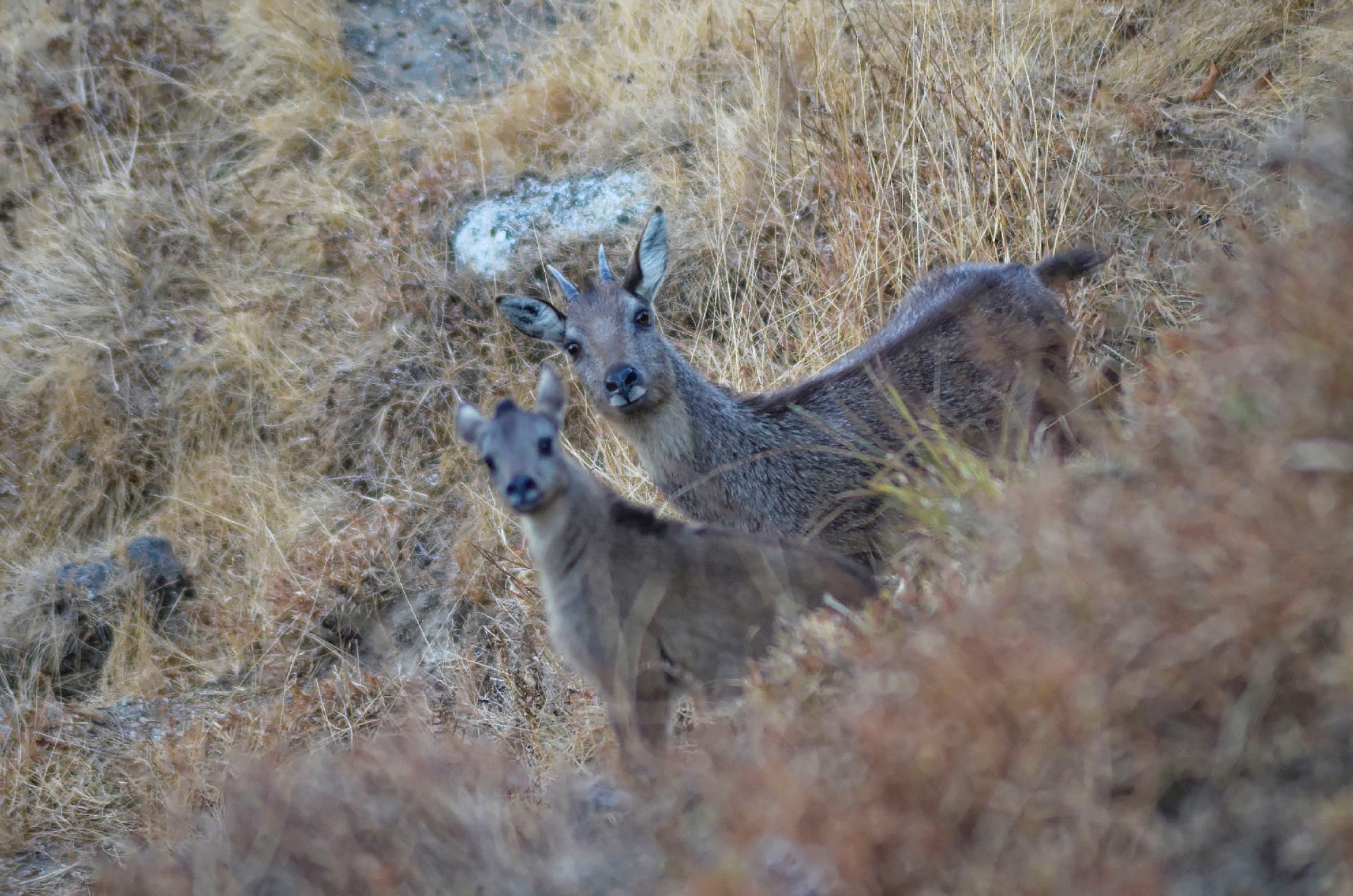
Chinese goral, one of many lesser-known species recorded across the landscape.
Indigenous stewardship
Conservation rooted in place
Conservation here is inseparable from culture and governance. For generations, Indigenous Karen communities have managed forests, rivers and wildlife through customary Kaw governance systems.
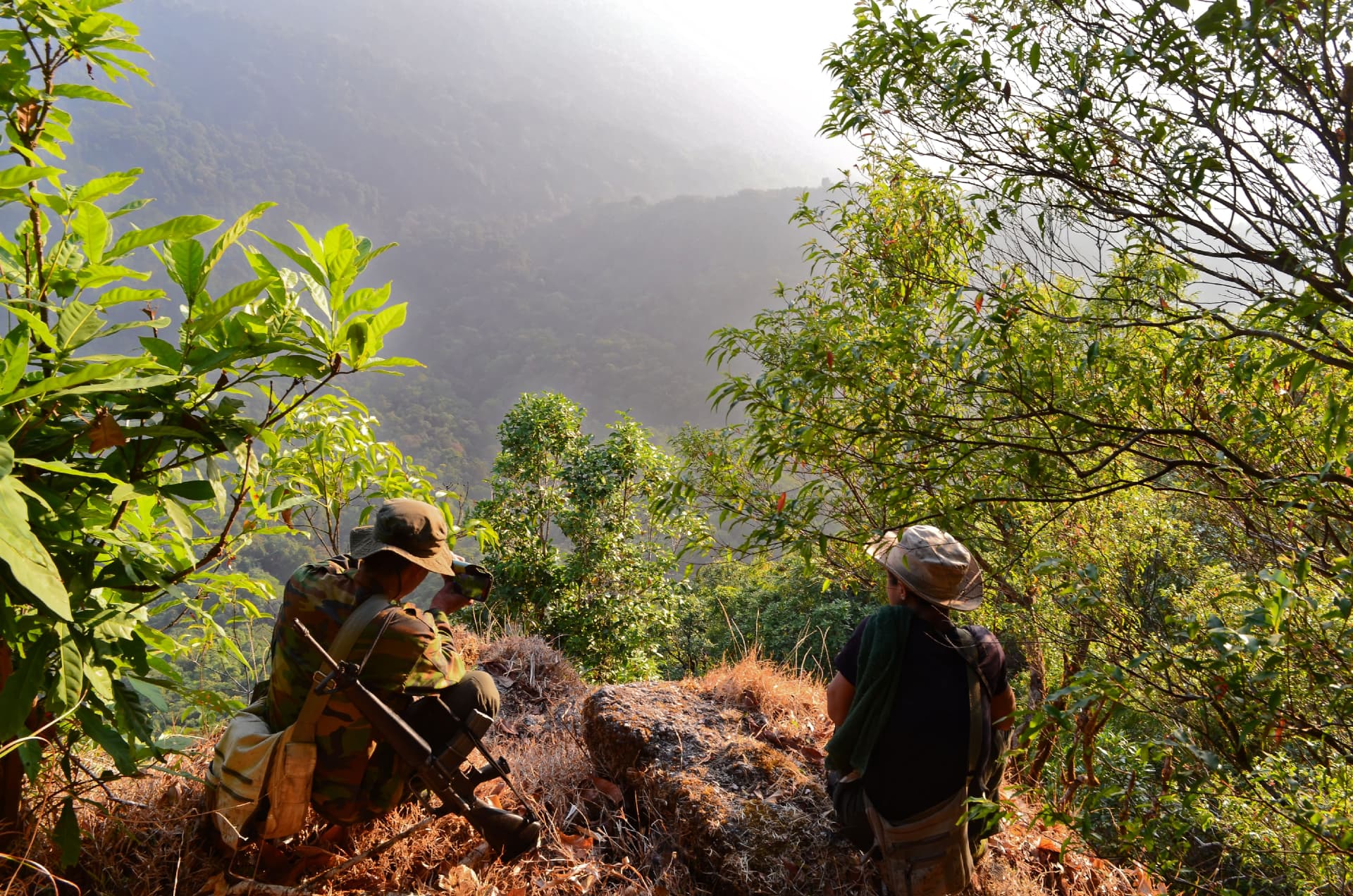
Today, these systems sit at the heart of an ambitious landscape-scale approach that brings together Indigenous knowledge, community stewardship and modern conservation science — wildlife surveys, ranger patrols, biodiversity monitoring and community-led protected area management.
This approach recognises that lasting conservation is strongest when local people have the authority, knowledge and resources to protect their own landscapes.
Wildlife Asia supports this work in Kawthoolei through the Karen Wildlife Conservation Initiative (KWCI), standing alongside trusted Karen organisations and communities and helping bring long-term resources, technical support and funding relationships to locally defined conservation priorities.
KWCI
Conservation science in local hands
Established in 2011, the Karen Wildlife Conservation Initiative (KWCI) provides specialist technical support within a much larger Indigenous-led conservation and governance system. Its role is to put conservation science in the hands of those protecting the landscape.
Working alongside Karen institutions and communities, KWCI supports wildlife monitoring and protection — from camera trapping and biodiversity surveys to ranger training and conservation planning — while decisions about land, forests and wildlife remain with the communities and customary institutions that hold them.
Science meets Indigenous knowledge
Camera traps, wildlife surveys and modern monitoring tools are combined with generations of Indigenous ecological knowledge. Together they are building the evidence needed to protect wildlife while keeping conservation decisions grounded in the communities that know these forests best.
A landscape-wide vision
The Kawthoolei Healthy Country Plan sets out a long-term Indigenous-led framework for protecting biodiversity, cultural heritage and community resilience across the landscape. It brings together Indigenous and Community Conserved Areas, customary Kaw lands and community forests within a broader territorial conservation framework.
Wildlife and wild places
A refuge for Asia’s great cats
Kawthoolei forms part of one of mainland Southeast Asia’s most important remaining landscapes for large carnivores. Its extensive forests retain habitat for the Indochinese tiger and leopard, alongside clouded leopards and a rich community of prey species including gaur, sambar, muntjac and wild pig.
Camera trapping and Indigenous knowledge are helping build a picture of wildlife across forests where relatively little formal biological research has historically been possible. Surveys have documented leopards and clouded leopards alongside abundant prey, while continuing efforts seek to understand and protect the landscape’s remaining tiger population.
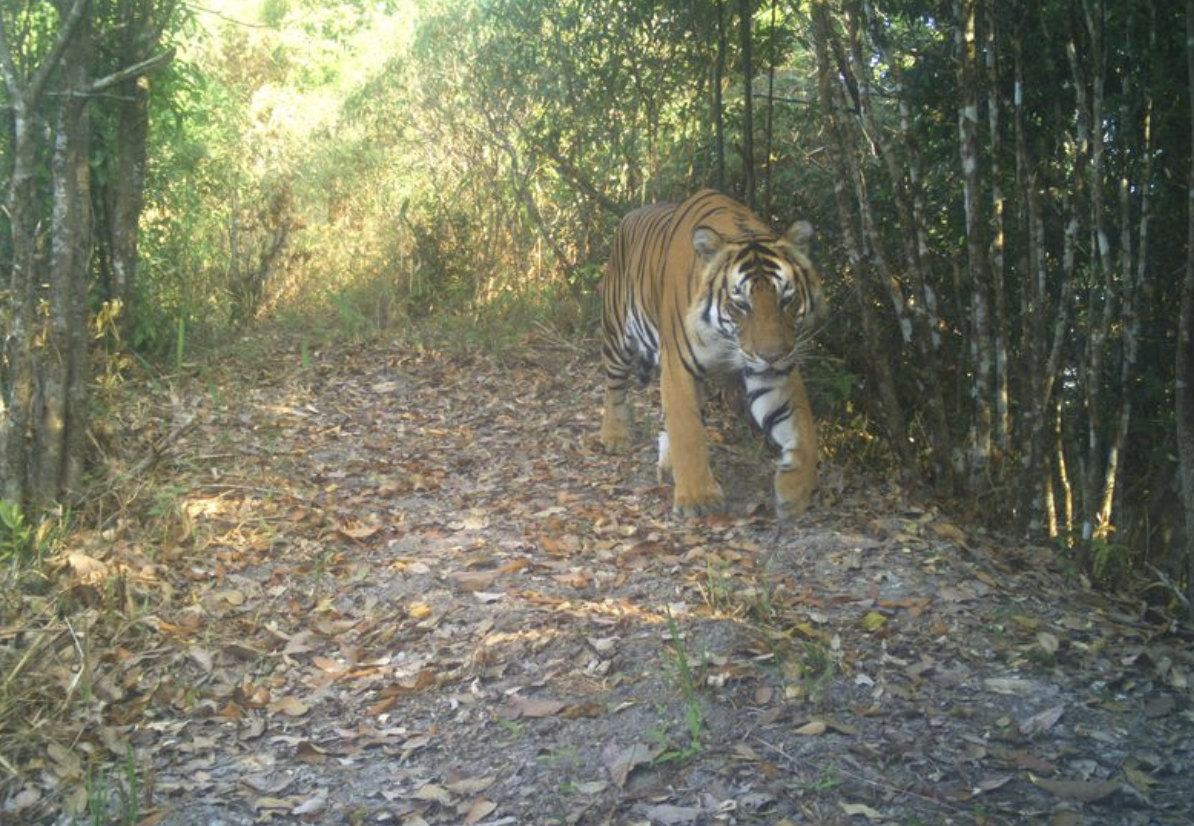
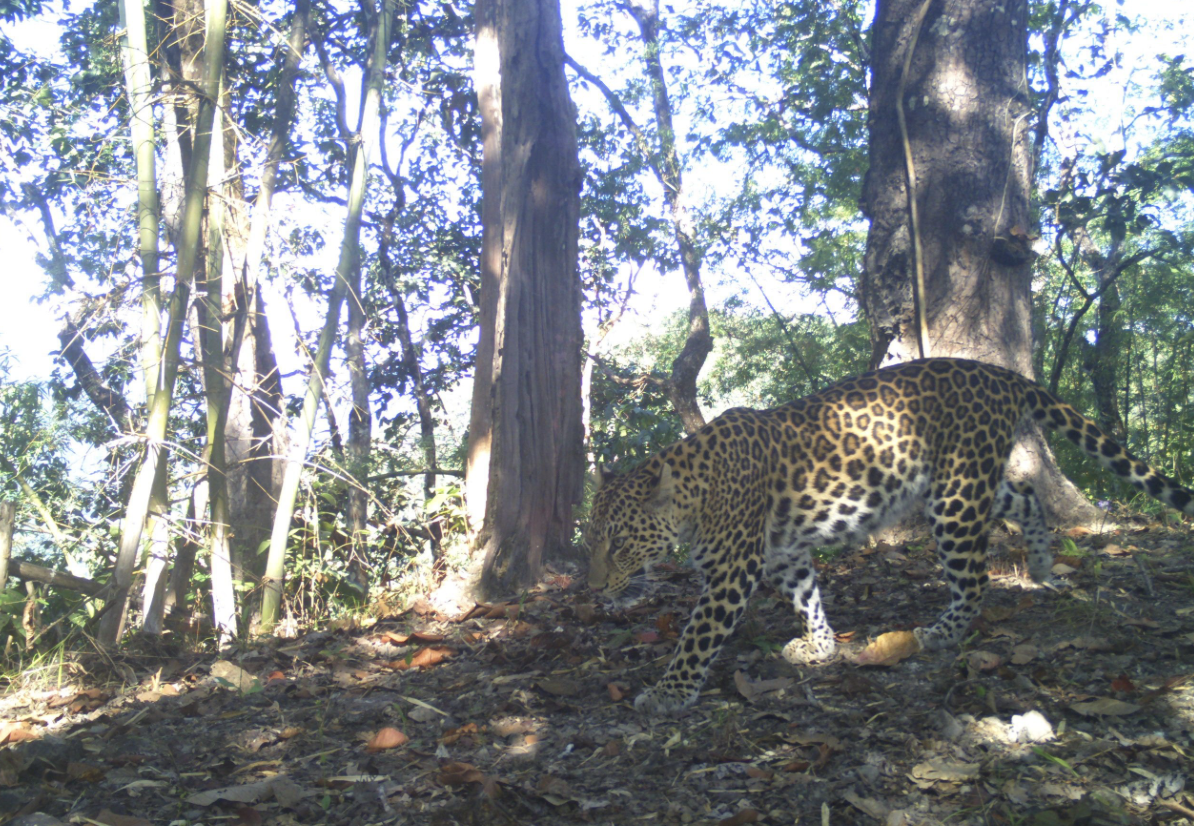
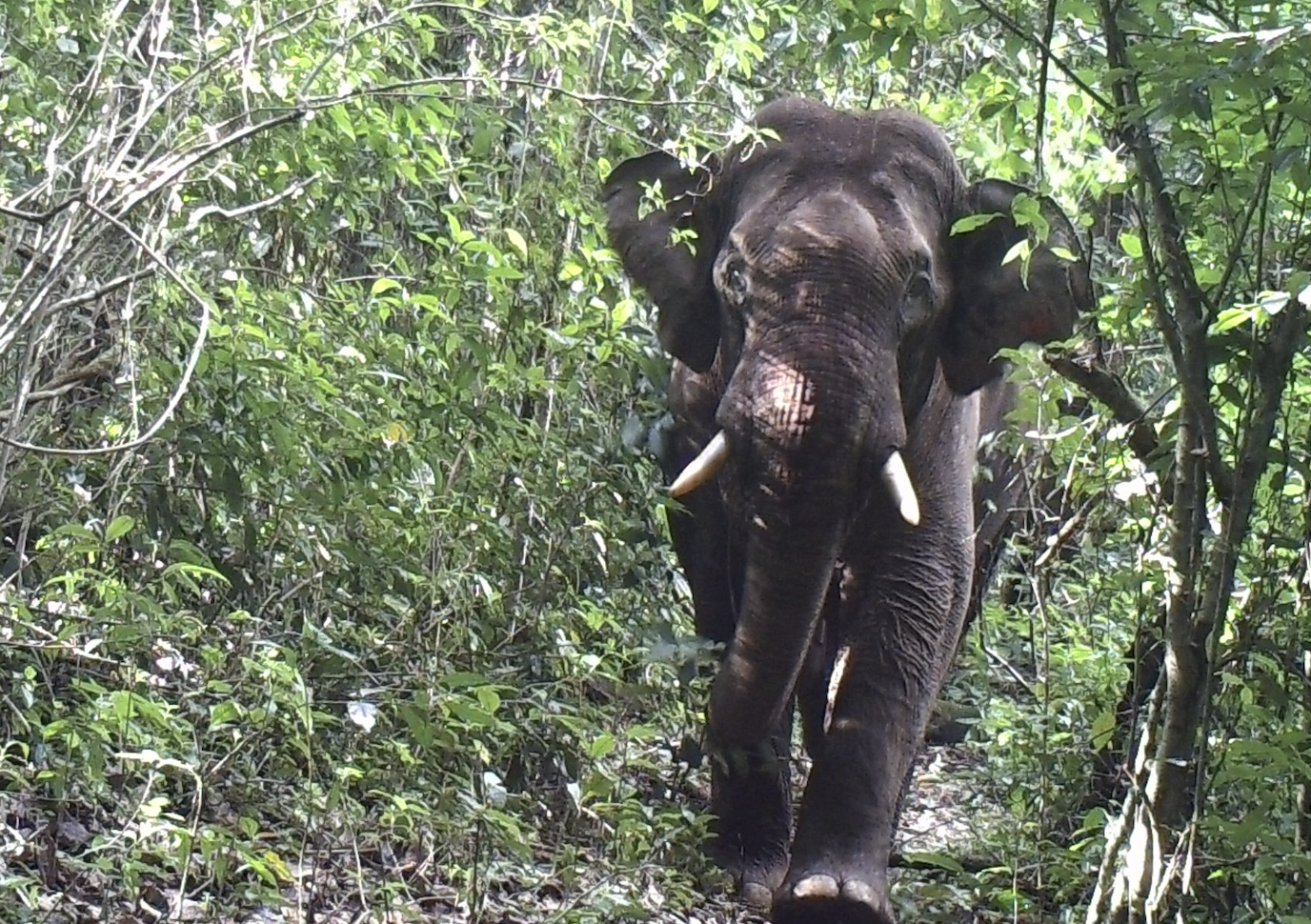
Asian elephants, bears, primates and many other species share these forests, reinforcing the importance of protecting large, connected landscapes rather than individual species in isolation.
Local conservation in action
Protecting forests from the ground up
Through KWCI, conservation teams work across remote and often challenging terrain to protect wildlife and strengthen local stewardship.
Ranger patrols
Regular patrols across remote forest, protecting wildlife and deterring illegal activity.
Wildlife monitoring and camera trapping
Documenting wildlife in forests that have historically received little scientific attention.
Community-managed protected areas
Establishing and strengthening protected areas governed by the communities who live within them.
Local conservation capacity
Supporting the training, equipment and systems that keep locally led conservation running.
Partnership
Long-term partnership, locally led
Indigenous knowledge. Community leadership. Living landscapes.
Through KWCI, long-term support allows locally led conservation to continue beyond short project cycles — building ranger and monitoring capacity, strengthening protected areas and generating the evidence needed to protect wildlife and forests over time.
Our approach is based on long-term relationships rather than short project cycles. We help connect local conservation organisations with international funding and expertise while supporting their own priorities, leadership and systems.
This allows organisations working in difficult and often overlooked landscapes to spend more of their time doing what they do best: protecting wildlife, forests and communities.
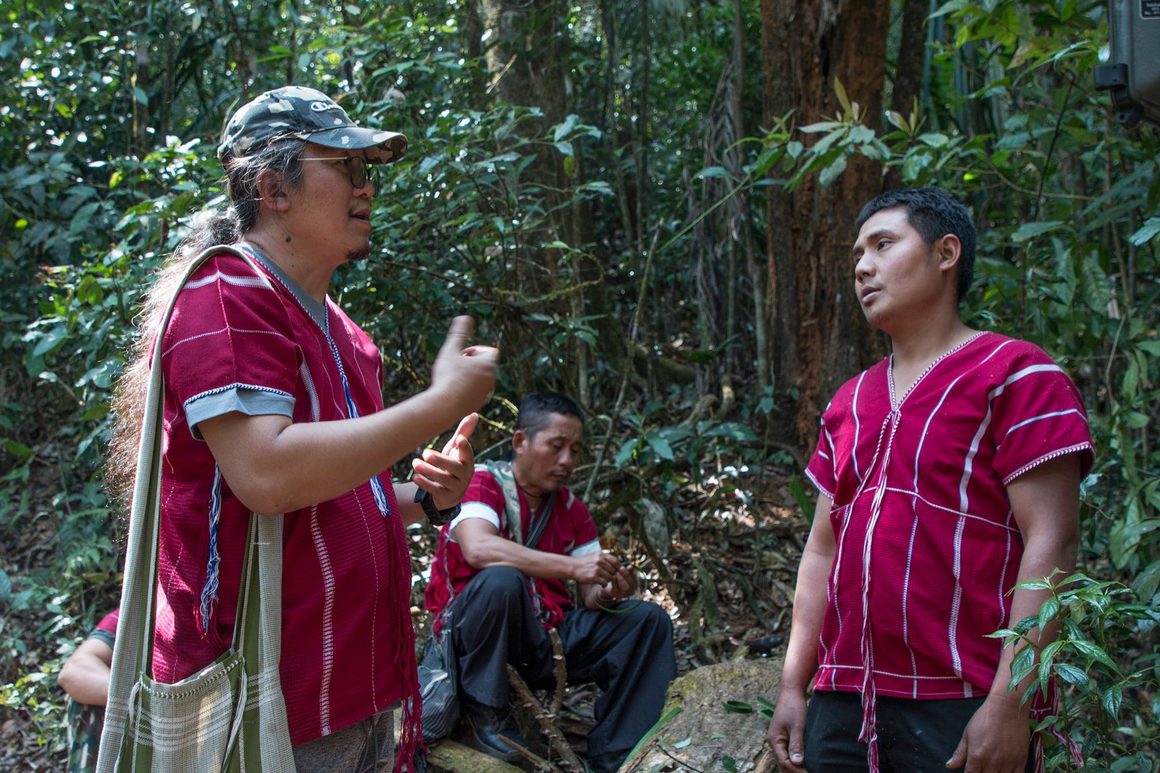

KESAN — Karen Environmental and Social Action Network
Key long-term partner
KESAN is a central partner within KWCI. Wildlife Asia works alongside KESAN through the initiative to strengthen conservation capacity and connect locally led priorities with long-term technical and financial support.
Meet KESAN →Conservation built for the long term
Support for Wildlife Asia helps sustain the long-term partnerships behind KWCI, providing flexible resources that strengthen local conservation capacity, protect wildlife and support locally led stewardship across Kawthoolei.